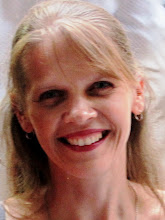
I am a Mum. It is my current role, job, ministry, burden and profession. I’ve only got one chance at it and I want to do it well.
So, like any serious worker, I am intentional about professional development. Over the last six years this has included reading numerous parenting books, seeking God for wisdom, strength and the occasional miracle, and asking lots of questions of those who have gone before me. In particular, I target women who are a couple of steps ahead of me and grill them to determine the secrets of their success.
It happened again the other day at the school athletics carnival. We were sitting on a mat in the shade of gum trees (yep, another Australian export). The other Mum had an extra five years of experience over me. It started innocently enough. “How are you? How’s your work? How are the kids going?” The general chit chat.
Gently I pressed further. “Are the kids happy here in Cambodia?”
Her yes only encouraged me to push harder. “Why?” She openly shared about different reasons and I stored each new idea away as something to ponder later.
I then moved to her work in Child Protection (she’s a gold mine, I tell you), before she looked at me and interrupted the flow of the conversation.
“You always do this to me, you know”. Whoops.. Sprung!
“Really?” I faked. I joked it off, “Ah, that’s why you avoid me.” I wondered momentarily if she was going to charge me for her time…
Then we were back into it. Addressing abuses of children’s rights in Cambodia. Policies. Training insights.
“Most people, particularly Christians, think of child abusers as in some other category separate from themselves. But I begin the training stating that we are all child abuses – the Khmer seem to understand that.”
It then got personal. “What makes you a child abuser, Lisa?”
She got me. I knew exactly what she meant. I try hard as a Mum, but when I am tired, busy or emotionally just-not-up-to-it, I charge over the thin line from “training my children in the way they should go” to abuse. But I said nothing, only nodded, digesting this new thought.
She continued. “We then look at managing the stressors”. Yes. Reading books, grilling experts or trying harder is sometimes just not good enough. I need to cut down the stressors – don’t over commit outside the home, look after myself, eat well, sleep and take time work on each relationship including my marriage.
A casualty from the sports day cut short our conversation. We were heading home to tend the wounds when she called out to me, “It’s an important job, Lisa. Don’t underestimate how important.”
Thanks for the reminder. Thanks for everything. The cheque is in the mail...
Friday, November 23, 2007

Wednesday, November 14, 2007
No one likes funerals...

There is a funeral being held on our street. They erected the tent yesterday morning with the customary white and black sashes and a white “ghost” figure hanging out the front. As you can see, the steel framed tent actually covers the street and when the ceremonies begin all traffic is blocked… only those daring enough to interrupt the mourning of others squeeze past the round tables with white rice bowls and ladle-like spoons.
I walked through there yesterday on the way to school and gave a sad nod to the old man with red watery eyes. The kids strained to get a peek at the deceased’s photo and 2 metre golden shrine (similar to what you might see in miniature in a Chinese restaurant in Australia) set up in the front room of their house. Throughout the day, close friends and relatives dressed in white shirts and dark pants / wrap skirts come to bid them farewell by praying, lighting incense sticks and eating a simple meal of rice porridge.
This particular funeral was Chinese-style with the decorated truck to carry the body to the temple, accompanied by men and boys dressed in yellow satin “pyjamas”. They loudly bang drums and cymbals to send off the spirit. These are interspersed throughout the day briefly interrupting the constant stream of traditional songs of mourning, chanting of monks and plinky plonky music played over loud speaker all designed to let the spirit know that they are being appropriately mourned and can leave in peace.
Ah, peace. The odd Australian unaccustomed to such “noise pollution” from neighbours relishes the brief pauses when the CD is changed. Still others have been known to entertain crazed thoughts of interrupting the power supply. Early in our time here, I tactlessly asked a Khmer friend if she was annoyed by the blaring music and unintelligible chanting. She replied surprised, “No. I pity the family.” Ouch.
Now when the music begins, I take a moment to mourn someone whom I never knew, who died without hope or certainty for what is ahead. And I pity the family who fruitlessly try to send them there.
However, at 5.30am this morning when drums the drums clashed for their final procession, my sympathy was a little difficult to find. Never mind.. I should locate it before the next stage of the grieving process begins in 6 days time.
I walked through there yesterday on the way to school and gave a sad nod to the old man with red watery eyes. The kids strained to get a peek at the deceased’s photo and 2 metre golden shrine (similar to what you might see in miniature in a Chinese restaurant in Australia) set up in the front room of their house. Throughout the day, close friends and relatives dressed in white shirts and dark pants / wrap skirts come to bid them farewell by praying, lighting incense sticks and eating a simple meal of rice porridge.
This particular funeral was Chinese-style with the decorated truck to carry the body to the temple, accompanied by men and boys dressed in yellow satin “pyjamas”. They loudly bang drums and cymbals to send off the spirit. These are interspersed throughout the day briefly interrupting the constant stream of traditional songs of mourning, chanting of monks and plinky plonky music played over loud speaker all designed to let the spirit know that they are being appropriately mourned and can leave in peace.
Ah, peace. The odd Australian unaccustomed to such “noise pollution” from neighbours relishes the brief pauses when the CD is changed. Still others have been known to entertain crazed thoughts of interrupting the power supply. Early in our time here, I tactlessly asked a Khmer friend if she was annoyed by the blaring music and unintelligible chanting. She replied surprised, “No. I pity the family.” Ouch.
Now when the music begins, I take a moment to mourn someone whom I never knew, who died without hope or certainty for what is ahead. And I pity the family who fruitlessly try to send them there.
However, at 5.30am this morning when drums the drums clashed for their final procession, my sympathy was a little difficult to find. Never mind.. I should locate it before the next stage of the grieving process begins in 6 days time.
Sunday, November 11, 2007
It's enough for me
Returning to Cambodia is late July this year was very difficult for me. The memory of life in Australia was fresh, making parts of life here a little hard to swallow. Holding the fort and helping the 3 kids settle and adjust left me with little energy.
My husband, Steve, was hanging around home, waiting on word from the boss as to when the next physio training course would begin. He treated a couple of patients but spent most of his time in language learning. When he finally returned to work six weeks later, it suddenly made life easier for me.
Why? Surely it would have been more difficult without the extra pair of hands to help. No, the stories he brought home from the clinic that day made it all worthwhile.
“Mother of one treated for a bad back is now able to have more children”. “Operation for severe back pain paid for by project funds. Grateful man praises God publicly.”
Not headline stuff, but so important to each of their lives. And that it is enough for me… for the moment anyhow.
My husband, Steve, was hanging around home, waiting on word from the boss as to when the next physio training course would begin. He treated a couple of patients but spent most of his time in language learning. When he finally returned to work six weeks later, it suddenly made life easier for me.
Why? Surely it would have been more difficult without the extra pair of hands to help. No, the stories he brought home from the clinic that day made it all worthwhile.
“Mother of one treated for a bad back is now able to have more children”. “Operation for severe back pain paid for by project funds. Grateful man praises God publicly.”
Not headline stuff, but so important to each of their lives. And that it is enough for me… for the moment anyhow.
Wednesday, November 7, 2007
Counting down
Hours of sleep last night = 5
Times woken by feverish, screaming baby = 4
Hour seriously considered taking baby to doctor = 3 (am)
Worried, hassled and distressed parents = 2
New teeth discovered in morning = 1
Brain activity next day = 0
Times woken by feverish, screaming baby = 4
Hour seriously considered taking baby to doctor = 3 (am)
Worried, hassled and distressed parents = 2
New teeth discovered in morning = 1
Brain activity next day = 0
Saturday, October 27, 2007
What's so funny?
A friend excitedly told me the other day of how he was able to share openly about Jesus at a meeting of high government officials. After sharing his faith with them, the highest ranked amongst them said "I have only one thing to say.. The poor people all give gifts to the Wat (Buddhist temple). The Christians give to the poor." Then, they all laughed.
My friend was delighted that we are being a great witness of Jesus' love for people, making other religions look foolish. I was a little more skeptical. My limited knowledge of government officials suggests that it is we who they consider fools for spending ourselves on the poor. Steve's thought that perhaps the official was exposing the irony of Christian giving ending up in the Wat.
But the question remains.. why did they laugh? I decided to take this question to the road and ask my Khmer friends. Here are their thoughts on why the officials laughed...
* They were happy.
* They were surprised by what the top official said.
* They didn't understand what the top official said.
* It shows how people can hold onto two religions at once.
* It shows that the Christians are "buying the hearts" of the poor.
* They laughed to encourage the top official (jokes are funnier when told by people of high rank).
One friend helpfully suggested that the only way to know what the official meant by what he said is to ask him directly... and then he probably wouldn't tell you the truth anyhow.
Hmm. How little we know in this culture and how easily our efforts to serve can be misunderstood.
My friend was delighted that we are being a great witness of Jesus' love for people, making other religions look foolish. I was a little more skeptical. My limited knowledge of government officials suggests that it is we who they consider fools for spending ourselves on the poor. Steve's thought that perhaps the official was exposing the irony of Christian giving ending up in the Wat.
But the question remains.. why did they laugh? I decided to take this question to the road and ask my Khmer friends. Here are their thoughts on why the officials laughed...
* They were happy.
* They were surprised by what the top official said.
* They didn't understand what the top official said.
* It shows how people can hold onto two religions at once.
* It shows that the Christians are "buying the hearts" of the poor.
* They laughed to encourage the top official (jokes are funnier when told by people of high rank).
One friend helpfully suggested that the only way to know what the official meant by what he said is to ask him directly... and then he probably wouldn't tell you the truth anyhow.
Hmm. How little we know in this culture and how easily our efforts to serve can be misunderstood.
Some more thoughts...
My friend Pip (see somesaypip.blogspot.com for a great read) has also been thinking a lot about economic development and environmental impact. And she has some good things to share...
Pip notes that trade has many benefits to all nations and within the right structures it can be a powerful tool for development and the ending of poverty. She highlights that trade is not the only cause of environmental degradation and that developing nations often cause major environmental damage due to ignorance or lack of choice. The key is cooperation, accountability and information sharing between countries (pity they have the same problem as me… always misplacing them keys).
It seems that Pip was concerned that my personal response to the issue was over-simplistic. Yes, it was. I meant it as a thought provoker rather than a comprehensive response to the ecological / economic debate. No, I am not for protectionism or economic isolation. I am for taking the issue personally and assessing the environmental impact of my consumption, not assuming that I am entitled to my high standard of living just because “I’m worth it” or “I earned it”. I like to think of it more along the lines of “I am blessed to be a blessing”.
In Cambodia, an estimated 70-80% of the population work in agriculture and yet the nation still imports rice, fruit and veges from neighbouring countries. Within this context, I will continue to swap my Weetbix for locally-grown organic brown rice. It’s just a much better choice all round – even if it is only a small one.
I like Pip’s personal response as a model and example to us all… because she lives it.
“I seek to be empowered to make these issues personal through things such as periodically checking consumption patterns, sharing resources with the poor, living more simply in order to be free from greed, engaging in advocacy as well as enjoying amazing produce from local and international markets.”
Within advocacy, I know she would include prayer… Thanks, mate.
Pip notes that trade has many benefits to all nations and within the right structures it can be a powerful tool for development and the ending of poverty. She highlights that trade is not the only cause of environmental degradation and that developing nations often cause major environmental damage due to ignorance or lack of choice. The key is cooperation, accountability and information sharing between countries (pity they have the same problem as me… always misplacing them keys).
It seems that Pip was concerned that my personal response to the issue was over-simplistic. Yes, it was. I meant it as a thought provoker rather than a comprehensive response to the ecological / economic debate. No, I am not for protectionism or economic isolation. I am for taking the issue personally and assessing the environmental impact of my consumption, not assuming that I am entitled to my high standard of living just because “I’m worth it” or “I earned it”. I like to think of it more along the lines of “I am blessed to be a blessing”.
In Cambodia, an estimated 70-80% of the population work in agriculture and yet the nation still imports rice, fruit and veges from neighbouring countries. Within this context, I will continue to swap my Weetbix for locally-grown organic brown rice. It’s just a much better choice all round – even if it is only a small one.
I like Pip’s personal response as a model and example to us all… because she lives it.
“I seek to be empowered to make these issues personal through things such as periodically checking consumption patterns, sharing resources with the poor, living more simply in order to be free from greed, engaging in advocacy as well as enjoying amazing produce from local and international markets.”
Within advocacy, I know she would include prayer… Thanks, mate.
Thursday, October 18, 2007
Consuming our World
“Greed is good”, claimed my first year macro-economics lecturer. Every dollar spent on anything from motor cars to manicures multiplies through the economy resulting in improved quality of life for everyone. Sounds great, but is it sustainable?
The new economics foundation, an independent “think and do” tank in the UK, recently released a report, China-dependence, stating..
"From today, Saturday 6 October, the world as a whole goes into ecological debt driven by over-consumption. 'Ecological debt day' is the date when, in effect, humanity uses-up the resources the earth has available for the year, and begins eating into its stock of natural resources. World ecological debt day has crept ever earlier in the year since humanity first began living beyond its environmental means in the 1980's.
The latest available data reveals that the overuse of the earth's resources is much more extreme in rich countries. For example, if everyone in the world wanted to live like people in the UK, on a very conservative estimate, we would need more than three planets like Earth. "
The report highlights that China is a target for conservationists because it is building a coal-fired power station every five days to feed its booming export-led economy. "However, if we all consumed like China, it would take only 0.9 of a planet."
In particular, international trade is becoming increasingly wasteful.
"As the world creeps closer to irreversible global warming and goes deeper into ecological debt, why on earth, say, would the UK export 20 tonnes of mineral water to Australia and then re-import 21 tonnes," said NEF director Andrew Simms.
Other examples in the report included:
· The UK imported 14,000 tonnes of chocolate covered waffles, and exported 15,000 tonnes.
· It imported from and exported to Italy, 600 tonnes of, 'gums and other jelly confectionery'.
· The large, two-way traffic of beer between Spain and the UK is also almost identical in amount.
"And why would that wasteful trade be more the rule than the exception?"
Maybe we really do think that greed is ok.
A quick survey of my breakfast table found milk from Thailand (sometimes it's Uruguay), honey from Vietnam, Weetbix and soy milk from Australia, corn flakes from France, oats from China, and (hooray) rice from Cambodia.
Looks like there is a lot of room for improvement.
The new economics foundation, an independent “think and do” tank in the UK, recently released a report, China-dependence, stating..
"From today, Saturday 6 October, the world as a whole goes into ecological debt driven by over-consumption. 'Ecological debt day' is the date when, in effect, humanity uses-up the resources the earth has available for the year, and begins eating into its stock of natural resources. World ecological debt day has crept ever earlier in the year since humanity first began living beyond its environmental means in the 1980's.
The latest available data reveals that the overuse of the earth's resources is much more extreme in rich countries. For example, if everyone in the world wanted to live like people in the UK, on a very conservative estimate, we would need more than three planets like Earth. "
The report highlights that China is a target for conservationists because it is building a coal-fired power station every five days to feed its booming export-led economy. "However, if we all consumed like China, it would take only 0.9 of a planet."
In particular, international trade is becoming increasingly wasteful.
"As the world creeps closer to irreversible global warming and goes deeper into ecological debt, why on earth, say, would the UK export 20 tonnes of mineral water to Australia and then re-import 21 tonnes," said NEF director Andrew Simms.
Other examples in the report included:
· The UK imported 14,000 tonnes of chocolate covered waffles, and exported 15,000 tonnes.
· It imported from and exported to Italy, 600 tonnes of, 'gums and other jelly confectionery'.
· The large, two-way traffic of beer between Spain and the UK is also almost identical in amount.
"And why would that wasteful trade be more the rule than the exception?"
Maybe we really do think that greed is ok.
A quick survey of my breakfast table found milk from Thailand (sometimes it's Uruguay), honey from Vietnam, Weetbix and soy milk from Australia, corn flakes from France, oats from China, and (hooray) rice from Cambodia.
Looks like there is a lot of room for improvement.
Subscribe to:
Posts (Atom)